Why Bethlehem, Free State Is One of South Africa's Best Farming Regions
Bethlehem sits at 1,651m above sea level in the heart of South Africa's grain belt. We look at the climate, soil and infrastructure that make it one of the country's most productive agricultural regions.
Not all farming land is equal. Location — climate, altitude, soil type, and rainfall — determines what a farm can produce, how reliably it can produce it, and at what cost. By almost every measure, Bethlehem in the Free State scores exceptionally well.
Altitude and Climate
At 1,651 metres above sea level, Bethlehem sits in the Free State highlands — a region characterised by warm summers, cold winters, and reliable summer rainfall. The altitude moderates summer temperatures, reducing heat stress on both crops and livestock during the critical growing months.
The Köppen climate classification for the region is Subtropical Highland Climate — meaning it experiences the rainfall benefits of a subtropical zone without the extreme heat. This is one of the reasons the region has supported commercial grain farming for over a century.
Rainfall
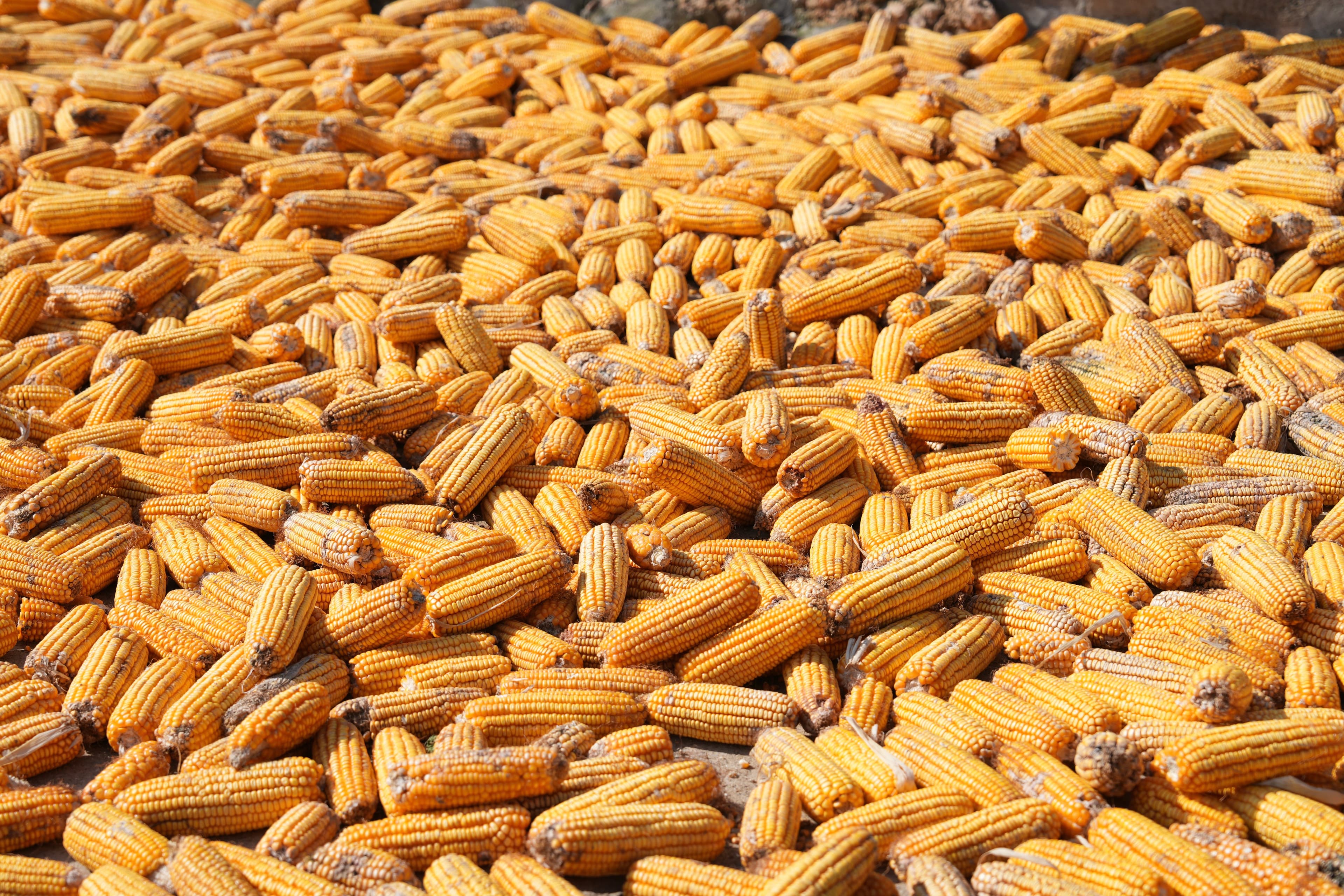
Bethlehem receives an average annual rainfall of 772mm, with most of it falling between October and March — precisely when maize and sunflower crops need it most. In 8 of the last 9 recorded seasons, rainfall exceeded 600mm, well above the threshold for reliable dryland maize production.
This consistency is not common across South Africa. Many farming regions experience far greater variability — making Bethlehem's predictable summer rainfall pattern a genuine competitive advantage for dryland crop farming.
Sunshine Hours
With over 4,000 sunshine hours per year, the region provides excellent conditions for both crop growth and solar energy generation. High solar radiation drives photosynthesis and accelerates crop development — contributing to the strong yield potential the region is known for.
Soil
The soils around Bethlehem are predominantly dark, fertile clay loams — deep, well-structured soils that hold moisture well and respond to inputs effectively. Combined with the reliable rainfall, these soils give dryland crops a strong foundation.
Infrastructure
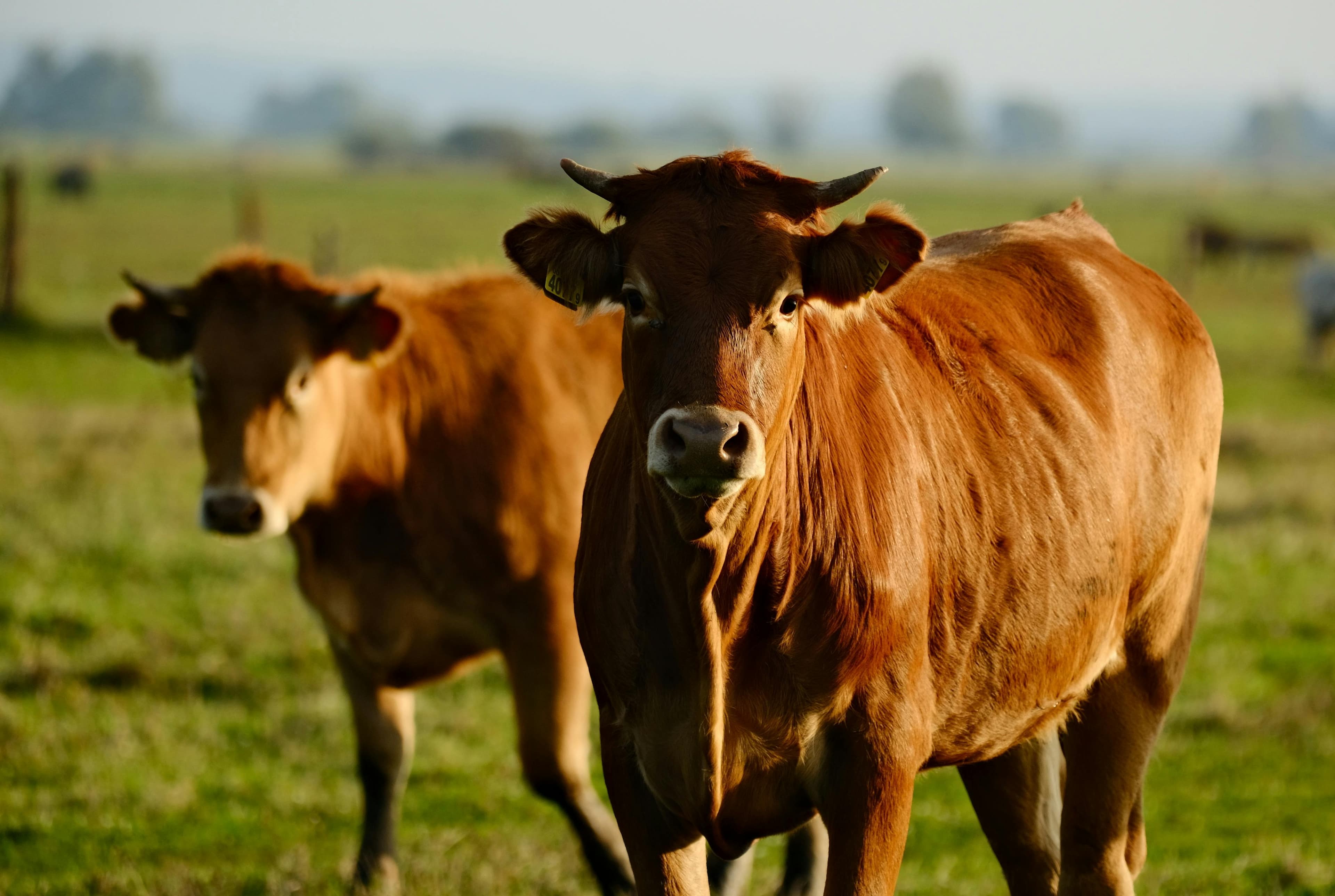
Bethlehem is a well-serviced agricultural town with direct access to grain silos, livestock auctions, veterinary services, agricultural input suppliers, and established market channels. For a commercial farming operation, this infrastructure reduces logistical costs and makes the business easier to run efficiently.
It is not by accident that this region has produced some of South Africa's most successful commercial farming operations. The conditions — climate, soil, rainfall, and infrastructure — are genuinely world-class.