Preparing for the 2026 Maize Planting Season in Bethlehem
Soil preparation is underway across our dryland fields as we approach the summer planting window. Here is what goes into getting a Free State maize farm ready for the season.
Bethlehem's summer rainfall season is one of the most reliable in South Africa's grain belt — and getting the most out of it starts long before the first seed goes into the ground.
Soil Preparation
Soil preparation is the foundation of every successful maize season. Before planting, we conduct soil sampling across our dryland fields to understand pH levels, nutrient content and moisture retention. This data drives our input decisions — fertiliser types, application rates, and lime requirements.
Ripping and discing ensures the seedbed is ready to receive seed at the correct depth. For dryland maize in the Free State highlands, a consistent planting depth of 5–6cm is critical for uniform germination.
Seed and Input Procurement
Seed selection is one of the most important decisions of the season. We select varieties suited to Bethlehem's altitude (1,651m above sea level) and rainfall patterns. Short-season hybrids that can handle the occasional dry spell are preferred, combined with varieties that perform consistently at our elevation.
Input procurement — fertiliser, herbicides and seed — is finalised before the planting window opens to avoid supply delays during the critical planting period.
Sunflower Rotation
Alongside maize, sunflower rotation plays an important role in our crop management strategy. Rotating maize with sunflower on a portion of our arable land improves soil health, breaks pest and disease cycles, and provides an alternative income stream at a different price point to maize.
The Planting Window
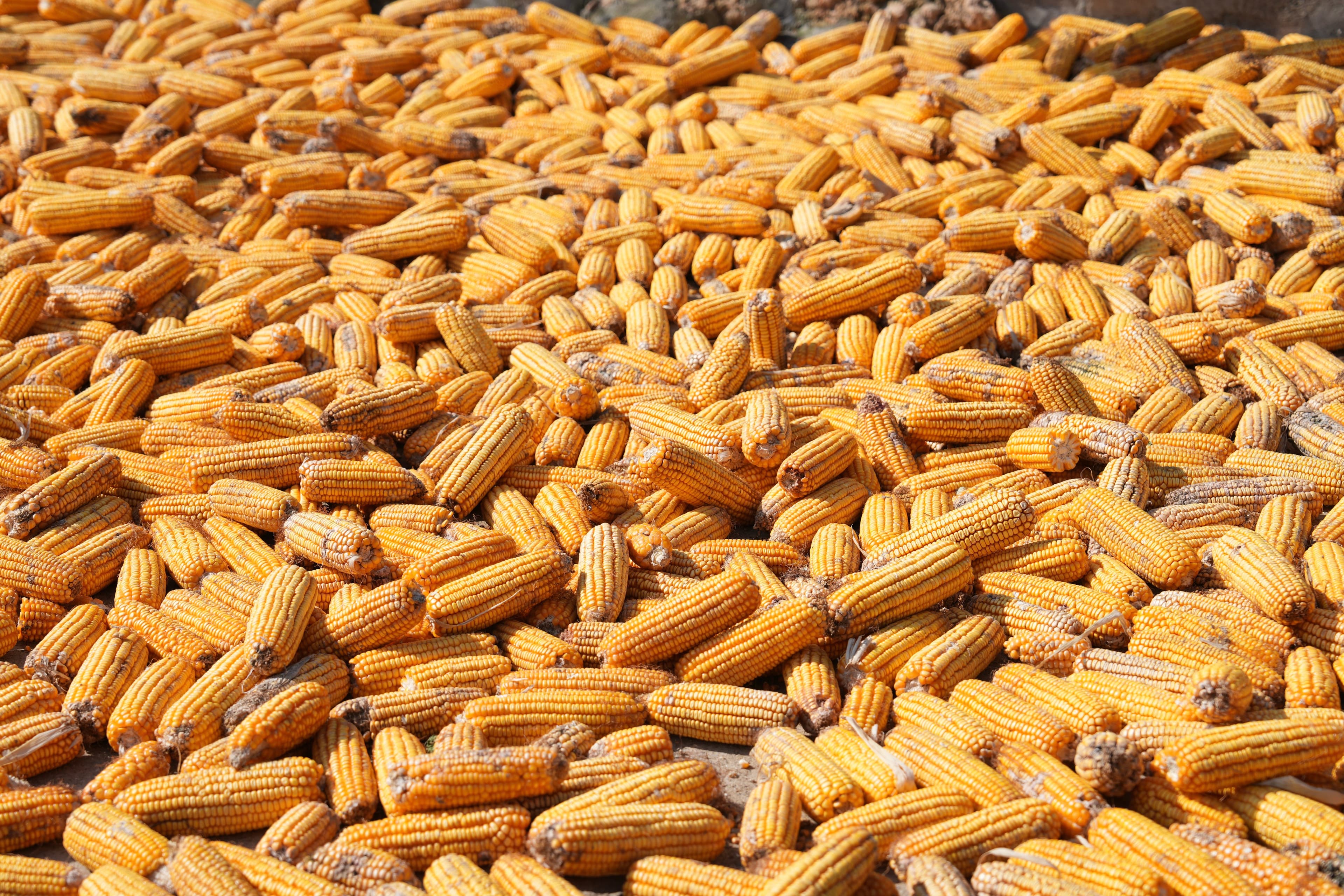
In Bethlehem, the optimal planting window for yellow maize typically runs from late October through to mid-December, depending on soil temperature and rainfall. We aim to plant within a two-week window to ensure uniform maturity at harvest.
Preparation is everything. A well-prepared field and a well-timed planting date are the best tools a dryland farmer has.